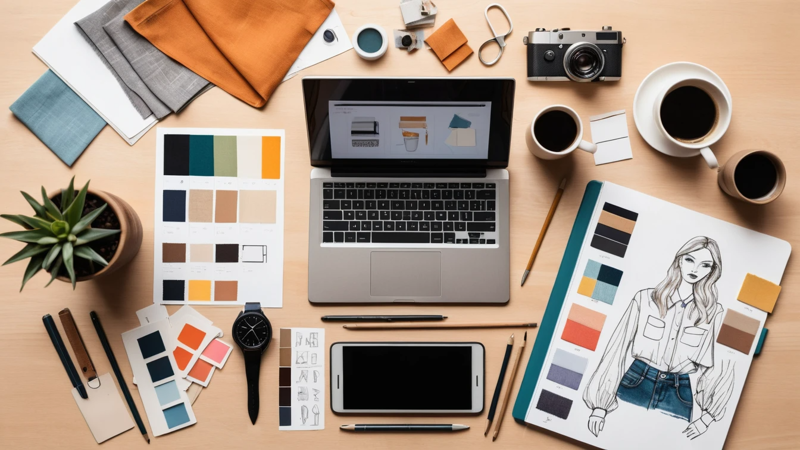
Fashion brand company tips to start, grow, and market your clothing line like a pro. Learn how to create a stylish brand that stands out and sells.
A fashion brand company designs, produces, and markets clothing or accessories under its unique label. To start one, you need a clear niche, strong branding, quality products, and effective marketing strategies that connect emotionally with your audience.
Fashion Brand Company: Build Your Dream Label From Scratch 👗
Have you ever wondered how your favorite fashion brands went from an idea to a global success story? ✨ The truth is, every fashion brand company starts with a simple spark — a creative vision and the courage to bring it to life.
Whether you’re sketching your first designs or planning a full-fledged brand launch, this guide will walk you through the exact steps to turn your dream into a real, thriving business.
Let’s dive into how to start, grow, and scale a fashion brand company that doesn’t just sell clothes — it sells a story. 💬
Understanding What a Fashion Brand Company Really Is 👚
A fashion brand company isn’t just about clothes — it’s about identity. It’s a business that designs, manufactures, and markets apparel or accessories with a distinct personality and style.
At its core, your fashion brand represents who you are, what you believe in, and how you want customers to feel. Think Nike’s “Just Do It” or Chanel’s timeless luxury — every successful brand sells emotion first, products second.
Finding Your Fashion Niche 🔍
Before you design a single outfit, you need clarity on your niche. This is the foundation of your brand strategy.
Ask yourself:
- Who am I designing for?
- What’s missing in the current market?
- Why should people choose my brand?
Popular Fashion Niches:
| Niche | Target Audience | Example Brands |
| Streetwear | Urban youth | Supreme, Off-White |
| Sustainable Fashion | Eco-conscious buyers | Reformation, Patagonia |
| Luxury Fashion | High-income consumers | Gucci, Dior |
| Athleisure | Fitness enthusiasts | Lululemon, Gymshark |
Choosing the right niche helps you design with purpose and attract loyal customers who align with your values. 🌱
Crafting a Unique Brand Identity ✨
Your brand identity is your personality. It includes your name, logo, color palette, and even how you talk to your customers.
To create a strong identity:
- Pick a memorable name. Make it short, catchy, and easy to spell.
- Design a logo that reflects your vibe — minimalist, bold, or vintage.
- Define your brand voice. Are you fun and playful or elegant and refined?
Consistency builds recognition — and recognition builds trust.
Understanding Your Target Audience 👥
Knowing your audience is half the battle. Conduct research to understand who your ideal customer really is.
Create buyer personas that describe their:
- Age, lifestyle, and fashion preferences
- Budget and shopping habits
- Social media platforms they use
Pro tip: The more personal your connection feels, the easier it is to build brand loyalty.
Designing Your First Collection 🎨
This is the fun part! But don’t jump straight into production yet. Start small and strategic.
Your first collection should:
- Showcase your brand’s story
- Feature versatile, well-designed pieces
- Reflect your target customer’s lifestyle
💡 Keep quality over quantity. A 5-piece capsule collection that’s well-crafted can speak louder than 20 rushed designs.
Sourcing Fabrics and Materials Responsibly 🌿
Sourcing is where your brand’s values meet reality. Today’s consumers care deeply about sustainability and ethics.
When sourcing, focus on:
- Organic or recycled fabrics
- Transparent suppliers
- Fair trade manufacturing
| Material Type | Eco-Friendly Option | Common Use |
| Cotton | Organic Cotton | T-shirts, casual wear |
| Polyester | Recycled Polyester | Sportswear |
| Leather | Vegan Leather | Bags, jackets |
A sustainable approach doesn’t just help the planet — it strengthens your brand story. 🌍
Building a Strong Brand Story 💬
People don’t buy clothes; they buy stories. Your story should answer why your brand exists.
A strong brand story includes:
- Your personal journey
- The problem your brand solves
- The mission behind your products
🗣️ “Your story is your marketing secret weapon — use it to connect emotionally.”
Choosing The Right Business Model 🏗️
Decide how your fashion brand company will operate:
- Direct-to-Consumer (DTC): Sell through your website or store.
- Wholesale: Partner with boutiques or retailers.
- Print-on-Demand: Sell designs without holding inventory.
Each model has pros and cons depending on your budget and scale. Start lean and grow sustainably.
Setting Up Your Fashion Brand Company Legally 🧾
Yes, paperwork isn’t glamorous — but it’s essential.
Here’s what you’ll need:
- Register your business name
- Get a business license and tax ID
- Trademark your logo or brand name
💡 Pro tip: Work with a small business attorney to protect your intellectual property from the start.
Creating a Killer Online Store 🛍️
Your website is your storefront — and it should make a lasting impression.
Include:
- High-quality product photos
- Simple navigation
- Clear pricing and sizing info
- Engaging “About” and “Story” pages
| Platform | Best For | Features |
| Shopify | Beginners | Easy setup, payment integration |
| WooCommerce | WordPress users | Customizable store options |
| BigCommerce | Scaling brands | Built-in marketing tools |
Make it mobile-friendly and fast-loading. Remember: fashion is visual — your site must look as good as your designs. 👠
Marketing Your Fashion Brand Online 📱
Your marketing strategy should blend creativity with consistency. Use:
- Social media marketing (Instagram, TikTok, Pinterest)
- Email campaigns to build customer loyalty
- Influencer collaborations for exposure
Post behind-the-scenes content, show your design process, and share your story — people love authenticity. 💬
Building a Loyal Community 💞
Loyalty doesn’t happen overnight — it’s built through connection.
Ways to build community:
- Respond to DMs and comments personally
- Host giveaways and online events
- Feature customer photos on your page
A community that feels seen and heard will become your brand’s biggest advocate.
Pricing Your Products Smartly 💰
Setting prices isn’t about guessing — it’s about strategy.
Consider:
- Cost-based pricing: Cover production + profit margin
- Value-based pricing: Price according to perceived value
- Competitor pricing: Benchmark against similar brands
Be transparent about what makes your pricing fair. Customers appreciate honesty.
Scaling and Growing Your Brand 🚀
Once your brand gains traction, scale smartly — don’t rush.
You can grow by:
- Expanding product lines
- Collaborating with other designers
- Opening pop-up shops or retail spaces
Stay true to your original vision — growth should amplify your brand, not dilute it.
Tracking Performance and Customer Feedback 📊
Success isn’t just sales — it’s satisfaction.
Track:
- Conversion rates
- Social engagement
- Repeat customer rates
Use surveys and reviews to learn what’s working and what needs improvement. 📈
Staying Ahead of Fashion Trends 🔮
Fashion evolves fast — stay inspired!
Follow trend reports, attend fashion shows, and listen to your community. Adapt trends in a way that fits your brand identity — never lose your signature style.
Conclusion: Your Fashion Brand Journey Starts Now 🌟
Starting a fashion brand company isn’t just a business — it’s an adventure of creativity, strategy, and self-expression. You’ll face challenges, but every design, every story, and every satisfied customer will remind you why you started.
So sketch that first idea, choose your fabrics, and take the leap. The world’s next favorite fashion label could be yours. 💖
FAQs
- How do I start a fashion brand company with no experience?
Start small. Research your niche, learn basic business steps, and focus on storytelling and branding. You can learn as you grow. - How much money do I need to start a fashion brand?
You can start with as little as $500 for small batches or print-on-demand. Larger production runs may require $5,000–$10,000. - What makes a fashion brand successful?
A strong story, quality products, consistent branding, and emotional connection with your audience are key. - How do I market my fashion brand online?
Use social media, influencer partnerships, and email marketing. Be authentic — people love behind-the-scenes content. - Is sustainability important for new fashion brands?
Yes! Consumers value eco-friendly brands. Sustainable materials and ethical sourcing can set you apart early on.